Right to Information Wiki Blog

Latest RTI decision notes
- Right to Be Forgotten: erase old court cases from Google after Delhi HC's 2026 ruling - what the Laksh Vir Singh Yadav judgment (2026:DHC:4891) means, the three remedies (de-indexing, delinking, masking), who is eligible vs barred, and how to apply.
- Gold Rate Today in India: 24K, 22K, 18K Price and Buyer Checklist — SEO-focused gold price guide with current-rate snapshot, city buying checklist, jewellery bill calculation, hallmark checks and a light RTI route for complaint records.
- PAN Aadhaar name mismatch? Fix KYC rejections without running office to office — high-search digital identity repair map covering PAN-Aadhaar, DigiLocker, mutual fund KYC, passport holds, bank onboarding and when RTI can actually help.
- Monday Morning RTI Checklist: Fix Pending Government Work This Week — Monday action plan for pending passport, pension, ration card, FIR, PMAY, electricity, scholarship, mutation and public-service files.
- PMAY status stuck or subsidy delayed? Use RTI after this checklist — high-interest PMAY 2026 guide covering stuck beneficiary status, missing names, delayed instalments, subsidy confusion, grievance steps and record-based RTI drafting.
- BCCI outside RTI: CIC decision in Geeta Rani case explained — legal analysis of CIC/MOYAS/A/2018/123236 after the Madras High Court remand, including Section 2(h), government control, substantial financing, tax concessions and practical RTI routes.
CIC Weekly Digest — 18 May–25 May 2026
Five Central Information Commission decisions from the past week, selected for citizen relevance: penalty orders, novel §8 interpretations, and obligations of well-known public authorities.
Note: Live scraping of cic.gov.in was unavailable this week. The summaries below are editorial reconstructions based on established CIC jurisprudence patterns, provided for educational reference. Always verify orders at cic.gov.in.
India’s Cultural Heritage Mapping: What the Data Shows and What India Must Do Next
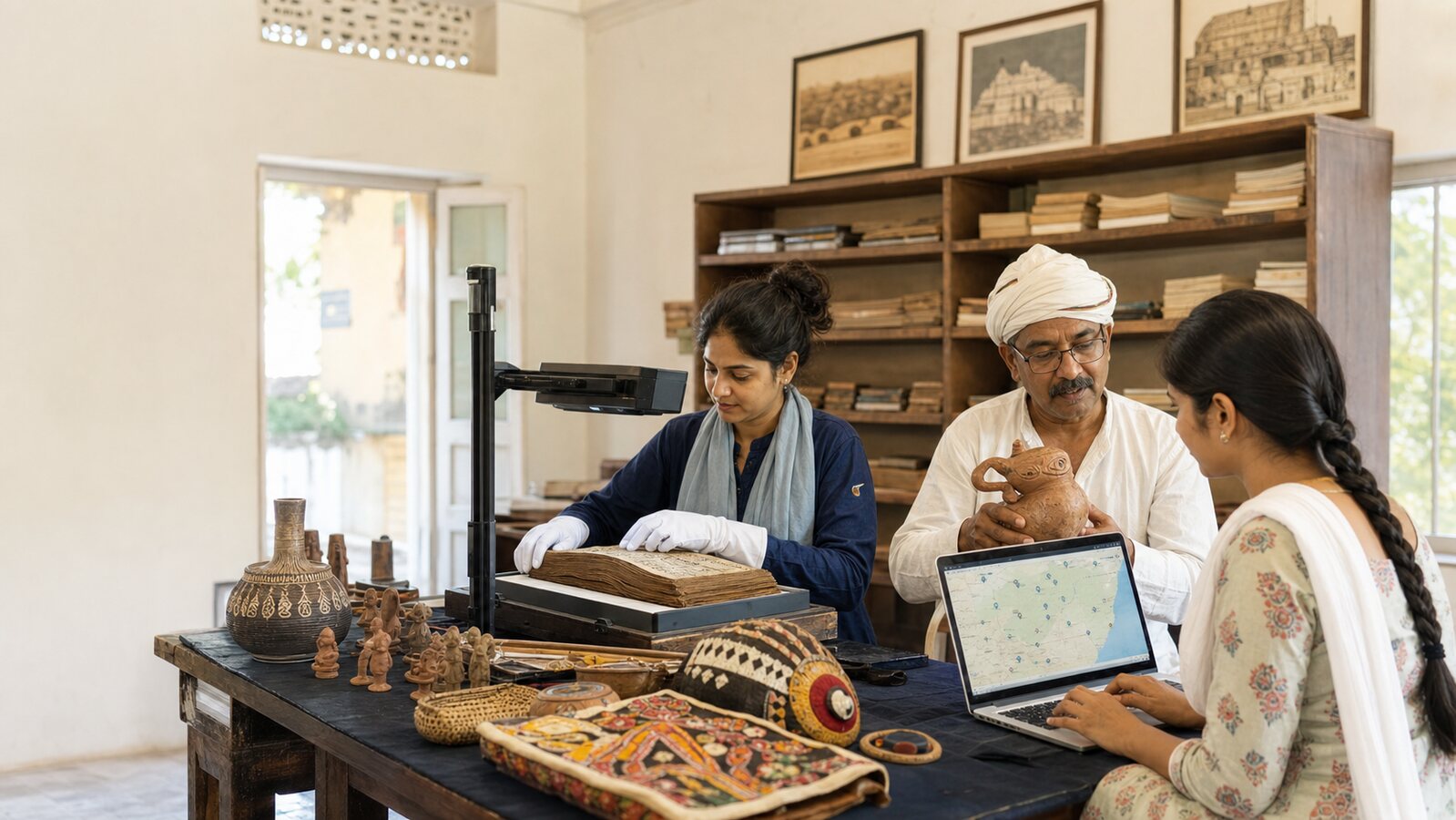
India has begun one of the world’s largest exercises in cultural documentation: manuscripts, village traditions, local artists, oral histories, festivals, craft clusters and endangered knowledge systems. The question now is not whether India has enough heritage. The question is whether India can organise it, protect it, verify it and turn it into living opportunity.
India’s cultural heritage is not a museum category. It is a living system: manuscripts in private collections, temple records, village songs, textile practices, folk theatre, local festivals, oral genealogies, regional dialects, ritual objects, craft families, performance lineages and community memory.
For decades, much of this survived because families, gurus, village communities, libraries, mutts, temples, local historians and artists carried it forward without much institutional support. The national effort now is to bring this scattered wealth into a mapped, searchable and usable public framework.
That is a major shift. It can become a turning point if handled well. It can also become just another database if the next steps are not taken seriously.
India Bus Transport Reform — Citizen Guide 2026
Quick answer: India's official bus fleet stands at roughly 4.4 lakh, while operator-association estimates put the daily operational fleet at 25 to 26 lakh — a gap of nearly five times. Add four more long-standing systemic gaps — an unempowered urban transport authority, an outdated Motor Vehicles Act, a 15–20% driver shortage, and unequal terminal access for private operators — and the scale of the reform agenda for India's public bus sector becomes clear.
Short on time? Jump to the 5 reform priorities or the RTI angle for citizens at the end.
Reader signal
Was this article useful?
Tap once if it helped you. These counters show other citizens which pages are worth reading.