Right to Information Wiki Blog

Latest RTI decision notes
- Right to Be Forgotten: erase old court cases from Google after Delhi HC's 2026 ruling - what the Laksh Vir Singh Yadav judgment (2026:DHC:4891) means, the three remedies (de-indexing, delinking, masking), who is eligible vs barred, and how to apply.
- Gold Rate Today in India: 24K, 22K, 18K Price and Buyer Checklist — SEO-focused gold price guide with current-rate snapshot, city buying checklist, jewellery bill calculation, hallmark checks and a light RTI route for complaint records.
- PAN Aadhaar name mismatch? Fix KYC rejections without running office to office — high-search digital identity repair map covering PAN-Aadhaar, DigiLocker, mutual fund KYC, passport holds, bank onboarding and when RTI can actually help.
- Monday Morning RTI Checklist: Fix Pending Government Work This Week — Monday action plan for pending passport, pension, ration card, FIR, PMAY, electricity, scholarship, mutation and public-service files.
- PMAY status stuck or subsidy delayed? Use RTI after this checklist — high-interest PMAY 2026 guide covering stuck beneficiary status, missing names, delayed instalments, subsidy confusion, grievance steps and record-based RTI drafting.
- BCCI outside RTI: CIC decision in Geeta Rani case explained — legal analysis of CIC/MOYAS/A/2018/123236 after the Madras High Court remand, including Section 2(h), government control, substantial financing, tax concessions and practical RTI routes.
Right to Be Forgotten: Erase Old Court Cases From Google (Delhi HC 2026)
Need this for your own case? Use our free RTI Assistant to draft applications, First Appeals and Second Appeals in one place.

If an old court case still shows up when someone Googles your name, you can now ask to have it removed. On 29 May 2026, the Delhi High Court held that the right to be forgotten is part of your fundamental right to privacy under Article 21, and laid down India's first full framework to de-index, delink and mask stale judicial records online.
In 30 seconds. If you were acquitted, discharged, or your FIR was quashed, or you were a party to a matrimonial dispute or named in a record you were never really part of, you can apply to have your name removed from Google search results and masked in the public copy of the judgment. The judgment itself stays on record. It is not available to people convicted of offences against women or children, or of corruption and breach of public trust.
40,000 RTI Cases, One Democratic Triumph: Karnataka's Blueprint for the Modern Information Commissioner
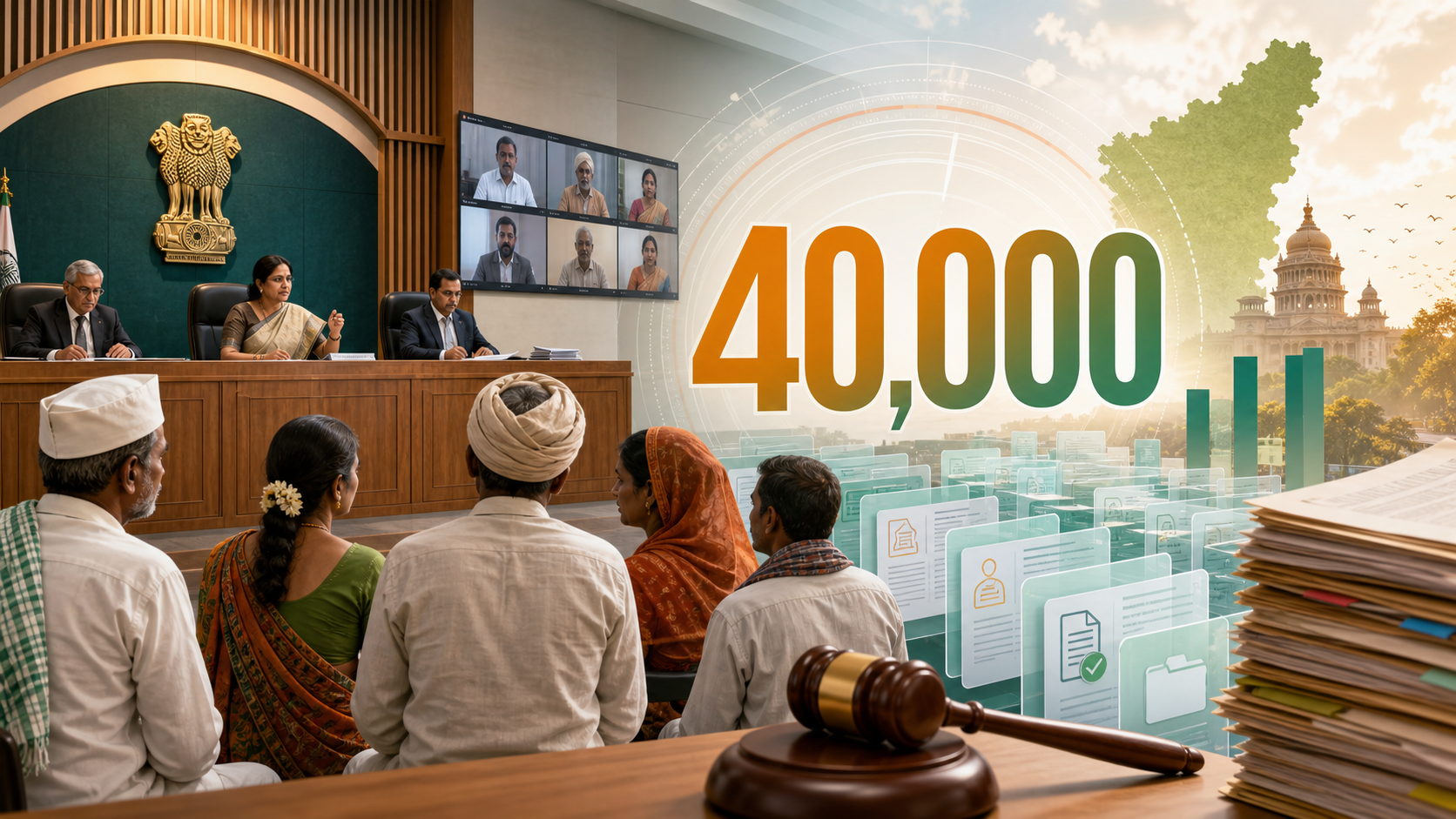
The Right to Information Act was never meant to be a polite request box. It was designed as a democratic instrument: a way for an ordinary citizen to compel the state to explain itself. In India, where a missing road file or delayed drinking-water project can define daily life, RTI is not merely a legal right. It is a lever of dignity.
That is why the Karnataka Information Commission's disposal of 40,000 RTI second appeals in a single year deserves to be treated as a national governance milestone. It is a signal that an Information Commission can move from passive adjudication to active democratic repair.
Karnataka's achievement is especially striking because the Commission did not begin from a clean slate. When the new batch of commissioners took charge, they inherited a backlog of over 56,000 cases. For many citizens, those appeals represented years of waiting after departments had already failed to answer.
The Karnataka Information Commission, including commissioners such as B. Venkat Singh and Prakash Narayan Channal, has shown that the old culture of slow files and distant hearings is not inevitable. With concentrated drives, hybrid hearings and firm enforcement, it has offered a working model for RTI backlog clearance across India.
IPL Ticket Refund and RTI: How Fans Can Seek Information After Cancelled or Abandoned Matches

Your IPL match was cancelled, abandoned due to rain, or you were denied entry despite having a ticket. You paid for tickets, travel and parking. Who is answerable: BCCI, franchise, ticketing platform, police, stadium authority or government department?
The short answer is practical. RTI may not directly get your refund. But it can uncover records showing permissions, police deployment, complaints, and notices after cancellation or abandonment.
An IPL ticket refund is usually a private ticketing or organiser issue. RTI gives access to information held by public authorities.
Important. RTI is for information, not direct refund. It cannot order BCCI, a franchise, or a ticketing platform to return money.
Need to file RTI after an IPL match cancellation? Copy the format below and send it to the concerned police, municipal or district authority.
Reader signal
Was this article useful?
Tap once if it helped you. These counters show other citizens which pages are worth reading.